

『Electromagnetic Flow Meter Wikipedia Overview: History, Technology, and Engineering Standards』Related information(clamp on meter|electromagnetic meter|venturi meterrotameter|orifice meter|ultrasonic flow meter|mass flow meter|coriolis mass flow meter|coriolis flow meter|magnetic flow meter|magmeter flow meter|magflow flow meter|mag meter flow meter|electromagnetic flow meter|vortex flow meter|turbine flow meter|thermal mass flow meter|thermal flow meter|rotameter flow meter)
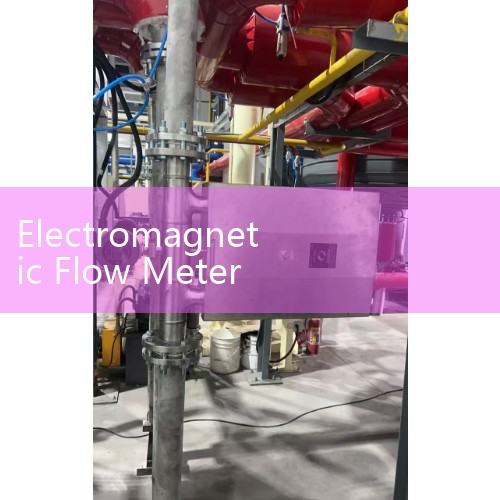
Electromagnetic Flow Meter Wikipedia Overview: History, Technology, and Engineering Standards
Quick Answer: An electromagnetic flow meter measures the volumetric flow of conductive liquids using Faraday law. It works well for water, wastewater, acids, caustics, slurries, and many food grade liquids with conductivity above 5 µS/cm. Silver Automation Instruments supplies electromagnetic flow meters from DN15 to DN3000 with 4-20 mA HART, Modbus RTU, and ATEX options for industrial users in Southeast Asia, Oceania, Latin America, Africa, and the Middle East.
This Electromagnetic Flow Meter Wikipedia Overview is a practical reference for engineers and buyers. It covers the history, the technology, and the engineering standards behind modern magnetic flow meters. It also shows where Silver Instruments fits into the industrial flow meter supply chain.
History of Electromagnetic Flow Meters
Michael Faraday tried to measure the River Thames with an electromagnetic flow meter in 1832. His test did not produce a stable signal. The electrode design and electronics of that era were too weak for a full scale industrial device.
Practical industrial magnetic flow meters appeared in the 1950s. Early models were large. They were heavy and expensive. Early users were mainly in pulp and paper plants, mining slurry lines, and chemical process units. Over time, better electrode materials and solid state electronics reduced size and cost.
Today a DN25 electromagnetic flow meter is compact enough for a skid mounted chemical dosing system. We have supplied units for paint manufacturers in Southeast Asia and water utilities in Manila. Most engineers skip the early history, but the basic physics has not changed.
How the Technology Works
An electromagnetic flow meter measures the voltage generated when a conductive liquid moves through a magnetic field. The voltage is proportional to flow velocity. The signal is small, so the transmitter filters noise and amplifies the value.
Electrodes must contact the liquid. Common electrode materials include 316L stainless steel, Hastelloy C, tantalum, titanium, and platinum. Liners include PTFE, PFA, hard rubber, EPDM, and polyurethane. For seawater and brine, we usually specify PTFE or PFA with Hastelloy C electrodes. For clean water, 316L electrodes and hard rubber or EPDM liners are enough.
Standard accuracy is 0.5 percent of reading. High accuracy versions reach 0.2 percent of reading. Minimum conductivity is typically 5 µS/cm. Some low conductivity designs can handle 0.1 µS/cm, but those are special order items.
Output options include 4-20 mA HART, Modbus RTU, RS485, pulse, and Profibus DP. Many plants in the Middle East ask for remote type transmitters for high temperature lines above 120 °C. Compact type meters work well for ambient water and wastewater lines.
Here is the thing about grounding. Magnetic flow meters need a proper grounding arrangement. In lined pipes, grounding rings or grounding electrodes protect the signal from stray voltages. In practice, a missing ground ring causes unstable readings more often than a failed flow tube.
Engineering Standards for Magnetic Flow Meters
Common standards for electromagnetic flow meters include ISO 20456, ISO 6817, and ASME MFC-16. These standards define test methods. They also cover installation requirements and accuracy statements. Many water utilities in Australia and New Zealand also follow AS/NZS 4020 for drinking water contact materials.
For hazardous areas, look for ATEX or IECEx certification. A chemical plant in Jakarta may need an ATEX Zone 1 transmitter if the flow meter sits near solvent storage. In that case we supply a remote transmitter with an intrinsically safe electrode circuit.
Ingress protection is another practical point. IP67 is common for compact meters. IP68 is available for submersion in pits and chambers. The flow sensor and transmitter should be tested to IEC 60529 if the meter is installed in a flooded underground vault.
For custody transfer or billing, some regions require OIML R 49 o
_600x400.jpg)
Common Applications and Sizing Data
Electromagnetic flow meters are common in water and wastewater treatment, desalination, chemical processing, food and beverage, pulp and paper, and mining. They are not suitable for hydrocarbons, oils, gases, or fully deionized water without conductivity.
Size depends on line size, flow range, and accuracy target. A DN100 water line in a municipal plant may flow from 30 m3/h to 120 m3/h. A DN15 meter in a chemical dosing skid may handle 10 L/h to 100 L/h. We ask customers for pipe size, flow range, pressure, temperature, and conductivity. Then we recommend a model and liner combination.
For a seawater desalination plant in Oman, we often quote a DN200 meter with PFA liner, Hastelloy electrodes, 4-20 mA HART, and IP68 rated sensor. For a dairy processor in New Zealand, a DN40 sanitary version with PFA liner, 316L electrodes, and CIP temperature rating up to 130 °C works well.
A magnetic flow meter is not a universal meter. It cannot measure nonconductive fluids. But for conductive liquids, it has no moving parts and very low pressure drop.
Electromagnetic Flow Meter Selection Checklist
Start with fluid name and conductivity. Then confirm pipe size and flow range. Check pressure in bar and temperature in °C. Specify liner and electrode materials for corrosion and abrasion. Decide between compact and remote transmitter. Confirm output and power supply, such as 24 VDC or 220 VAC. Add grounding rings if the pipe is lined or the fluid has low conductivity.
We have seen this on customer sites many times. A buyer orders a meter with the right size but forgets the liner material. Six months later, a dilute acid stream eats the hard rubber liner and the meter fails. A quick process data sheet prevents that.
Silver Instruments Electromagnetic Flow Meter Quote
Silver Automation Instruments is a flow meter manufacturer and supplier based in China. We ship to Southeast Asia, Oceania, Latin America, Africa, and the Middle East. Our product range includes electromagnetic flow meters, Coriolis mass flow meters, ultrasonic flow meters, vortex flow meters, oval gear flow meters, thermal mass flow meters, pressure transmitters, and paperless recorders.
Send us your pressure (bar), temperature (°C), pipe size (DN), and flow range. Also include fluid name, conductivity, output preference, and hazardous area classification. We will reply with a budget price and a datasheet.
Contact Silver Instruments: Tel: +86-25-68650347. WhatsApp: +86-25-52155837. WeChat: +86 15365082610.
FAQ
What is the minimum conductivity for an electromagnetic flow meter?
Standard meters need at least 5 µS/cm. Some special designs measure down to 0.1 µS/cm. For pure water and oils, use another technology.
Can an electromagnetic flow meter measure wastewater with solids?
Yes. Magnetic flow meters work well in raw sewage, sludge, and slurry because there are no moving parts and no obstruction. Select an abrasion resistant liner like polyurethane for grit.
What is the typical accuracy of a magnetic flow meter?
Most industrial units offer 0.5 percent of reading. Some high accuracy models offer 0.2 percent of reading. The accuracy statement depends on flow velocity and installation straight run.
Do I need a remote or compact transmitter?
For ambient water and easy access, a compact meter is simpler and lower cost. For hot lines, flooded pits, or vibration, a remote transmitter is better. Remote versions allow mounting up to 10 m from the sensor.
What is the price of an electromagnetic flow meter?
Price depends on size, liner, electrodes, output, and certifications. A small DN50 water meter costs less than a DN300 ATEX version with PFA liner and Profibus. Send process data to Silver Instruments for a budget quote.
 Hot Product
 Related AD