

『Marine Fuel Oil Flow Meter DN100: Main Engine Fuel Systems Made Simple』Related information(clamp on meter|electromagnetic meter|venturi meterrotameter|orifice meter|ultrasonic flow meter|mass flow meter|coriolis mass flow meter|coriolis flow meter|magnetic flow meter|magmeter flow meter|magflow flow meter|mag meter flow meter|electromagnetic flow meter|vortex flow meter|turbine flow meter|thermal mass flow meter|thermal flow meter|rotameter flow meter)
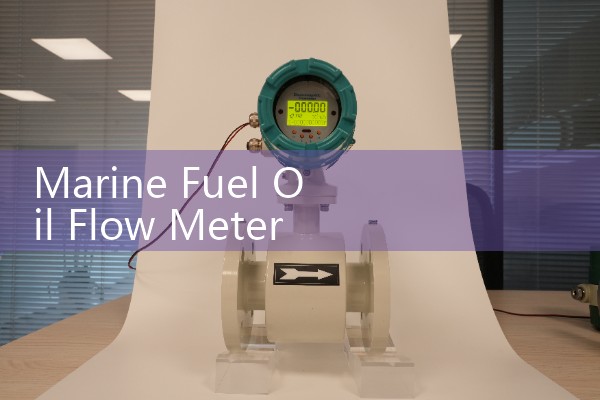
Marine Fuel Oil Flow Meter DN100: Main Engine Fuel Systems Made Simple
Quick Answer
A DN100 fuel oil flow meter directly measures heavy fuel oil or low sulfur fuel oil before it enters the main engine. Silver Instruments supplies both oval gear and Coriolis models in DN100, built for the vibration, heat, and long pipe runs found in engine rooms. You get reliable consumption data, IMO compliant reports, and no more guesswork on fuel inventory.
Why Ship Engineers Use a Dedicated DN100 Flow Meter on the Main Engine
Main engine fuel lines on bulk carriers, tankers, and container ships often sit at 4 inch pipe size. A DN100 flow meter matches this line directly. No reducers, no extra welds, no new pressure drop points. When your chief engineer needs accurate bunker consumption numbers for MARPOL Annex VI reporting, a DN100 device becomes a plug and measure tool. Silver Instruments has supplied DN100 meters to shipyards in Vietnam and Indonesia where local teams prefer to avoid pipe modifications. In practice, a well matched DN100 oval gear meter handles viscosities from 10 cP up to 1,000 cP without losing accuracy. Most engineers skip the small paper specs and look straight at the real numbers: pressure drop at 800 L/h, wetted material (316L stainless or duplex), and the transmitter output. Here is the thing. Heavy fuel oil at 130 °C behaves differently than diesel at 40 °C. The meter body and sensor need to survive that heat soak during long voyages. We have seen on customer sites many times that a poorly selected meter drifts after 3 months of continuous operation. With a DN100 meter designed for fuel oil, the bearing and gear material keep the K-factor stable.
Oval Gear vs. Coriolis: Which Technology Works on Board
Silver Instruments offers two main DN100 flow meter types for marine fuel oil. Oval gear positive displacement meters give you a direct volume reading. They tolerate high viscosity swings, handle pipe vibration from the main engine, and need very little straight pipe run. A paint manufacturer in Southeast Asia once asked us for a similar principle on a transfer line. The same thinking applies at sea. For vessels that need mass flow directly in kg/h without separate density input, a Coriolis mass flow meter in DN100 is the answer. The CMF series from Silver Instruments measures mass, density, and temperature with one instrument. That means you skip the manual density table corrections for different bunker grades. However, a Coriolis meter demands more front and back straight pipe and a stable mounting frame. In a tight engine room on a 50,000 DWT bulk carrier, an oval gear meter often wins on space. Both types ship with 4-20 mA HART output, pulse, and optional Modbus RTU. The digital display shows rate and total right at the meter head. You can also send the signal to your engine room log system or bridge.
Installation Points That Save You Time and Money
Most ship crews want the meter installed during a scheduled dry dock or a port call in Singapore or Busan. Silver Instruments DN100 fuel oil meters come with ANSI or JIS flanges, matched to the vessel piping class. The meter body itself is compact. Yet the key rule is this. Always place a strainer and an air separator upstream. This protects the oval gear or the Coriolis tubes from debris and air slugs that kill accuracy. We recommend a Y-type strainer with 40 mesh immediately before the meter inlet. On several retrofits, a customer in the Middle East found that adding a simple air eliminator boosted measurement repeatability from ±1% to ±0.3%. That small change removed the daily re-calibration pain. Another detail. Do not mount the meter directly on a vibrating engine block. Use a flexible hose connection and a solid bracket on the deck. If you run the meter on HFO, install a tracing line to keep the fuel around 120 °C during startup and slow steaming. Without heat tracing, the oil can gel inside the chamber and damage the gears on the next engine start. Because DN100 meters move a larger volume per pulse, the pulse
How to Specify the Right DN100 Fuel Oil Meter for Your Fleet
Instead of asking for a generic flow meter quote, send us your ship specific parameters. Tell us the fuel type: HFO 180, HFO 380, VLSFO, or MGO. Then provide the viscosity at working temperature. A typical value is 380 cSt at 50 °C but you pump it at 100 °C or higher. The flow range for a main engine at sea often sits between 200 L/h and 2,000 L/h, depending on engine load. Your meter should maintain linearity across that span. Also specify the maximum pipe pressure. Many fuel oil circuits run at 8 bar to 16 bar. Silver Instruments DN100 meters can handle up to 40 bar with the right sensor option. Let us know if you need ATEX Zone 1 certification because some engine room areas fall under gas hazardous zones. We preconfigure each meter with the pulse factor and 4-20 mA span based on your actual flow range. That means you can unpack the box in the engine room, bolt it in, and connect the cables without extra programming.
Real Data from a Live Vessel – How It Performs Over 12 Months
Last year a customer in Vietnam upgraded their 30,000 DWT general cargo ship with a Silver Instruments OGM DN100 oval gear meter on the main engine fuel supply line. Before the upgrade, the crew used sounding tapes and manual tank tables. Their daily deviation was up to 400 L. After the DN100 meter went in, the bunker consumption log matched the Coriolis bunkering meter from the supplier within 0.4%. The chief engineer stopped the weekly dispute with the fuel supplier. The meter ran for 14 months with no maintenance except one strainer cleaning. Flow rate was set between 300 L/h and 850 L/h at 10 bar, fuel temperature 125 °C. The oval gear meter kept its K-factor within 0.2% drift. That kind of field data matters more than lab reports.
Send Us Your Parameters and Get a Fitted DN100 Solution
Do not guess the flow range. Take the actual engine specific fuel oil consumption from the shop test. Send us your pressure (bar), temperature (°C), pipe size (DN), and flow range. Also include the flange standard and if you need classification approval from DNV, Lloyd, or Bureau Veritas. Silver Instruments ships DN100 fuel oil flow meters from stock for most common specs. We can add an integrator to show total consumption in tonnes, or connect directly to your alarm panel. You can also see our oval gear flow meter for diesel on auxiliary generators, fine for MGO and low flow.
FAQ
Q: Can a DN100 flow meter handle heavy fuel oil with viscosity over 700 cSt at 50 °C?
A: Yes. Oval gear DN100 meters from Silver Instruments have been tested with residual fuels up to 1,000 cP when heated to the required injection viscosity. The meter body has large clearance bearings to avoid jamming.
Q: Do you offer meters with class approval for marine use?
A: Silver Instruments can provide DN100 meters with material certificates and type approval forms for major classification societies. Specify the class when ordering and we will include the documents.
Q: Can I use the same DN100 meter for both HFO and distillate fuels?
A: Yes. The same oval gear meter handles HFO, VLSFO, and MGO. However, you must flush the meter with MGO before a long shutdown to avoid fuel sticking. Coriolis meters also switch fuels without any mechanical change.
Q: What is the straight pipe requirement for a DN100 oval gear meter?
A: Oval gear meters in DN100 typically need 5 diameters upstream and 3 diameters downstream straight run when you install an air eliminator. This is much less than a turbine meter or Coriolis, which saves pipe modifications.
Q: What happens if an air pocket enters the measuring chamber?
A: Air causes the meter to overread, because the oval gear spins faster. Always install an air separator right before the inlet. Silver Instruments supplies complete measurement packages with strainer, air eliminator, and meter in one skid.
 Hot News
 Related AD