

『Fluidyne Flow Meter Calibration: Servicing High-Accuracy Positive Displacement Fuel Testing Systems』Related information(clamp on meter|electromagnetic meter|venturi meterrotameter|orifice meter|ultrasonic flow meter|mass flow meter|coriolis mass flow meter|coriolis flow meter|magnetic flow meter|magmeter flow meter|magflow flow meter|mag meter flow meter|electromagnetic flow meter|vortex flow meter|turbine flow meter|thermal mass flow meter|thermal flow meter|rotameter flow meter)
Fluidyne Flow Meter Calibration: Servicing High-Accuracy Positive Displacement Fuel Testing Systems
Quick Answer: Silver Automation Instruments services Fluidyne positive displacement flow meters used on fuel test benches. Calibration covers mechanical inspection, seal replacement, K-factor verification, and traceable reference testing for diesel, gasoline, jet fuel, and biodiesel. Send your Fluidyne model number, fuel type, flow range, and pipe size for a service quote.
Why Fluidyne Flow Meter Calibration Matters for Fuel Test Cells
Many engine laboratories and fuel consumption test rigs rely on Fluidyne positive displacement meters because the output is repeatable at low flow. Over time, fuel residue, seal wear, bearing play, and sensor drift change the meter output. A calibration check that only verifies the transmitter is not enough. The mechanical metering element must be opened and inspected. We have seen this on customer sites many times. A small amount of internal wear can shift the K-factor by 0.3 to 0.6 percent before the operator sees any obvious fault. That shift is large enough to fail a fuel consumption audit or an engine mapping program.
Fuel test cells in Southeast Asia, the Middle East, and Australia often run diesel, Jet A-1, kerosene, gasoline, and ethanol blends. Diesel leaves a light lubricating film. Ethanol blends attract water. Jet fuel has low viscosity and exposes seal wear quickly. Because of this, a six-point calibration alone does not restore a mechanical meter. The meter needs cleaning and seal replacement first.
What We Check During a Fluidyne Positive Displacement Meter Calibration
During a workshop calibration, Silver Instruments removes the outer housing and inspects the rotors or gears for scoring. We check bearing end play, replace O-rings and shaft seals, clean the measuring chamber, verify the pulse output, and compare the meter against a reference standard. The reference standard is traceable to ISO/IEC 17025. After mechanical work, we run a multi-point calibration across the customer flow range. Typical test points include 10, 25, 50, 75, and 100 percent of full scale. We adjust the K-factor only after mechanical repeatability is confirmed. If the meter is not repeatable at the same flow point, no electronic correction will fix it.
Most engineers skip this part. They send the meter with a note that says zero shift only. In truth, a zero shift on a positive displacement meter often points to a wetted part problem. A clogged inlet strainer, a worn bearing surface, or a swollen seal changes the pressure drop and the internal slip. We have seen a fuel testing system in Latin America fail an audit because the calibration vendor adjusted the electronics but never opened the meter body.
Common Applications and Field Issues
Fluidyne positive displacement flow meters appear in diesel engine test cells, aviation fuel rigs, marine engine laboratories, biodiesel pilot plants, and pump test stands. The flow range is often small, from 0.5 L/h to 500 L/h, with line sizes from DN4 to DN50. Some high-pressure fuel injection test benches run at 20 to 100 bar. We ask for the operating pressure and fuel temperature before calibration because both affect seal material choice and meter clearances.
Here is the thing. Most field failures we see are mechanical, not electronic. A biodiesel plant in Southeast Asia had a Fluidyne meter that drifted after three months. The cause was polymerized biodiesel film on the rotor. A water-contaminated diesel line in the Middle East caused corrosion on bearing surfaces. A jet fuel rig in Australia showed unstable output because the inlet strainer was clogged. That is why we ask for a fuel sample history and the last calibration date before quoting.
Calibration Interval and On-Site Options
Most fuel testing laboratories calibrate positive displacement flow meters every 12 months. High-accuracy engine test cells often shorten the interval to 6 months if the meter runs daily with biodiesel or jet fuel. In practice, the interval depends on operating hours, fuel cleanliness, and audit requirements. Silver Instruments offers workshop calibration in Nanjing, China. For customers in A
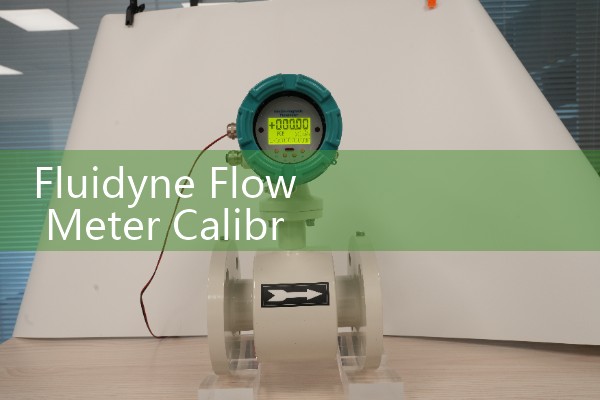
A customer in Vietnam shipped a Fluidyne fuel meter to us after a local calibration shop damaged the rotor. We replaced the internal gear set, cleaned the measuring chamber, and returned the meter with a before and after calibration report. The test cell returned to stable readings after one day of commissioning. This is a common repair path when local support is not available for Fluidyne positive displacement fuel testing systems.
Replacement Flow Meters and Spare Parts
Some Fluidyne units are beyond repair because the housing is cracked or the rotor set is no longer available. In that case Silver Instruments supplies a new positive displacement fuel flow meter with similar accuracy and a matching pulse output. We also stock oval gear flow meters and Coriolis mass flow meters for fuel consumption testing. A replacement meter can be sized using the existing flow range, line size, pressure, viscosity, and output signal. We do not force a direct replacement if the process conditions have changed. The new meter may need a different K-factor or a 4-20 mA HART output instead of a raw pulse.
For replacement quotes we need four values. The first is flow range in L/h or kg/h. The second is fuel type and viscosity in cP. The third is pipe size in DN. The fourth is pressure in bar and temperature in °C. Include the current Fluidyne meter model and serial number if the nameplate is readable. We will propose a meter with the same pulse resolution or an analog output that fits the test cell control system.
How to Request a Fluidyne Calibration Service
Send us the Fluidyne model number, serial number, fuel type, minimum and maximum flow rate, operating pressure, operating temperature, and output signal. Include the current error if you know it. We will reply with a service procedure, estimated turnaround time, and a fixed price for standard inspection and calibration. If we find severe internal damage during opening, we will send photos and a revised quote before any extra work. For urgent test cell shutdowns, we can prioritize workshop time once the meter arrives.
Contact Silver Automation Instruments for Fluidyne flow meter calibration and positive displacement fuel testing system support. Tel: +86-25-68650347. WhatsApp: +86-25-52155837. WeChat: +86 15365082610. Send your fuel type, flow range, pipe size, and meter model for a same-day service reply.
Frequently Asked Questions
Which Fluidyne flow meter models can Silver Instruments service?
We service positive displacement fuel flow meters from the common Fluidyne 1200 series and similar OEM meters used in fuel consumption measurement. Send the model code and a nameplate photo for a fast model check.
How often should a positive displacement fuel testing flow meter be calibrated?
A standard interval is 12 months. A 6-month interval is common for daily biodiesel, jet fuel, or high-accuracy engine test cell use. We recommend calibration based on operating hours, fuel type, and audit requirements.
Do you offer on-site calibration or only workshop service?
Most Fluidyne flow meter calibration work is done in our Nanjing workshop because the meter needs to be opened and cleaned. Shipment-based service is available for customers in Southeast Asia, the Middle East, Australia, and Latin America.
What accuracy can we expect after calibration?
After mechanical refurbishment and calibration, many positive displacement fuel meters return to 0.1 percent of reading or better over the calibrated range. The final result depends on meter condition, fuel viscosity, and the reference points.
Can you supply a replacement flow meter if our Fluidyne unit is beyond repair?
Yes. Silver Instruments supplies positive displacement, oval gear, and Coriolis flow meters for fuel testing. Send the flow range, pressure, temperature, pipe size, and output signal for a drop-in replacement quote.
 Hot Blog
 Related AD