

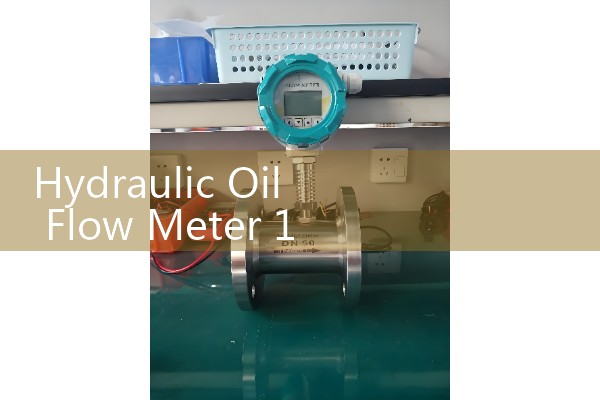
『Hydraulic Oil Flow Meter 1/2 Inch Compact Valve Block Integration』Related information(clamp on meter|electromagnetic meter|venturi meterrotameter|orifice meter|ultrasonic flow meter|mass flow meter|coriolis mass flow meter|coriolis flow meter|magnetic flow meter|magmeter flow meter|magflow flow meter|mag meter flow meter|electromagnetic flow meter|vortex flow meter|turbine flow meter|thermal mass flow meter|thermal flow meter|rotameter flow meter)
Hydraulic Oil Flow Meter 1/2 Inch Compact Valve Block Integration
Quick Answer: A 1/2 inch hydraulic oil flow meter with compact valve block integration mounts directly onto a CETOP3 or NFPA subplate, eliminating extra fittings and leak points. Silver Instruments oval gear meters in DN15 size handle hydraulic oils from 20 to 2000 cSt with ±0.5 % accuracy. This design is ideal for power units, test benches, and mobile hydraulics where space is limited and reliability is non negotiable.
Why Valve Block Integration Is Not Just a Mechanical Trick
Most hydraulic circuits still use in line flow meters with two adapters and four fittings. That is exactly where leak risks and pressure drop hide. Our compact block integration approach fits the meter body to a standard ISO 4401 mounting interface. The result is a single metal block with an oval gear meter inside. Only two O rings seal the interface. In practice, we have seen maintenance teams spend half their time checking fittings. A valve block integrated meter removes two possible weep points and reduces commissioning time. One hydraulic power pack builder in Thailand told us they now pressure test at 400 bar without needing to retighten any auxiliary meter connections.
Specifications That Matter for 1/2 Inch Flow Meters
When engineers ask for a 1/2 inch hydraulic flow meter, they almost always mean a DN15 port size. Our oval gear meter with valve block integration uses G1/2 threads or SAE 8 flanges. The measured flow range is typically 0.5 to 50 L/min for hydraulic oil with a viscosity of 30 cSt. At higher viscosities up to 2000 cSt, the minimum flow can go as low as 0.1 L/min. Maximum working pressure is 420 bar, tested to 1.5 times safety factor. Wetted parts are hardened steel and cast iron; special aluminum bodies are available for lower pressure (210 bar) mobile applications. The meter outputs a dual channel pulse signal, 2 wire NPN or PNP, and can be ordered with a 4 20 mA converter directly mounted on the block. Temperature range is -20 °C to 120 °C. Repeatability is ±0.03 % so you can trust it for closed loop control.
Common Mistakes We See on Customer Sites
Here is the thing, many engineers treat a hydraulic flow meter like a water meter. They forget that the oil viscosity changes with temperature. A morning startup at 10 °C in a Chinese earthmoving factory can show a reading offset if the meter is not calibrated for the actual oil grade. With the compact valve block design, the metal block acts as a heat sink and stabilizes the temperature around the measuring chamber somewhat. But you still need to compensate in the PLC or use the built in temperature sensor option. Last year a customer in the Middle East ordered two 1/2 inch meters for an offshore hydraulic system and skipped the temperature sensor. They called us back after noticing a 3 % drift during midday heat. We added an integrated P
Integration into CETOP3 or NFPA Manifolds
The compact block follows the CETOP3 hole pattern (30 x 46 mm) with M5 mounting screws. You can stack it between a directional valve and the manifold plate using through bolts. The height of the meter block is just 55 mm. For NFPA D03 interfaces, we supply an adapter plate. The meter does not add any significant restriction; pressure drop at 50 L/min and 46 cSt is below 0.5 bar. Because the oval gear measuring principle is positive displacement, the meter works independent of oil conductivity. That is a major advantage over electromagnetic or ultrasonic meters, which struggle with non conductive hydraulic fluids.
How to Order and What We Need from You
Send us your hydraulic fluid type, operating viscosity in centistokes, maximum system pressure in bar, required flow range in L/min, and the valve block standard you use (CETOP3 or NFPA). Also tell us if you need a pulse output or a 4 20 mA signal with a local display. We will propose a specific model number, provide a 3D STEP file for your manifold design, and give you a delivery timeline. Most standard configurations ship from our Australian warehouse within two weeks. For volume OEM orders, we can private label the meter with your company logo.
Frequently Asked Questions
Q: Can the 1/2 inch flow meter handle hydraulic oils with anti wear additives?
A: Yes. The standard wetted O rings are made of FKM (Viton), which is compatible with most hydraulic fluids including HLP, HLPD, and HEES biodegradable oils.
Q: What happens if there are metal particles in the oil?
A: The oval gear flow meter is robust against small particles. However, we strongly recommend a 100 mesh strainer upstream to prevent chamber blockage. The internal clearance is 0.05 mm for standard flow ranges.
Q: Do you provide an ATEX certified version for Zone 1 hazardous areas?
A: Yes. We can supply a version with an intrinsically safe pulse amplifier certified for ATEX Zone 1, Ex ib IIC T4. An IP66 rated housing is also available for offshore installation.
Q: Can I get a bidirectional flow measurement?
A: The standard meter is bidirectional with a single pulse train. For directional measurement with a ±4 20 mA signal, we integrate a dual channel converter and a pressure compensated block that separates forward and return flows within the valve stack.
Q: What is the lead time for a sample for prototype testing?
A: We keep a stock of DN15 oval gear meters with block integration in our Sydney warehouse. If your test requires a specific seal material or non standard pressure rating, built to order delivery takes three to four weeks.
 Hot Blog
 Related AD