

『Price of liquid flowmeter』Related information(clamp on meter|electromagnetic meter|venturi meterrotameter|orifice meter|ultrasonic flow meter|mass flow meter|coriolis mass flow meter|coriolis flow meter|magnetic flow meter|magmeter flow meter|magflow flow meter|mag meter flow meter|electromagnetic flow meter|vortex flow meter|turbine flow meter|thermal mass flow meter|thermal flow meter|rotameter flow meter)
What is the difference between vortex flowmeter and electromagnetic flowmeter?
There are differences between vortex flowmeters and electromagnetic flowmeters in terms of principles, applicable media, accuracy errors, applicable scenarios, and prices, as follows:
1. Different principles. Vortex flowmeters: Based on the "Karman vortex street" principle, non streamlined flow elements are used to generate vortices in the fluid, and the flow rate is calculated using the linear relationship between vortex frequency and medium flow velocity.
. Electromagnetic flowmeter: Based on Faradays law of electromagnetic induction, an induced potential is generated by cutting a magnetic field through a conductive liquid, and the flow rate is calculated by detecting the potential value through electrodes (formula E=K × B × V × D).2. Vortex flowmeter suitable for different media: suitable for liquids or gases, but with certain requirements for medium temperature, pressure, and viscosity.
. Not applicable to: viscous liquid, granular solid medium, liquid containing foam or bubbles. Advantages: No moving mechanical parts, long lifespan, low maintenance, stable instrument coefficient, but installation under vibration conditions should be avoided. Electromagnetic flowmeter: only applicable to conductive liquids (such as acid, alkali, salt solutions), with high requirements for medium purity. Limitation: Unable to measure non-conductive media (such as oil and gas).III. Different Accuracy Errors Vortex Flowmeters: The accuracy and stability are relatively low, and the error range is usually between 1% and 2%.
. Electromagnetic flowmeter: With high accuracy and stability, the error can be controlled withi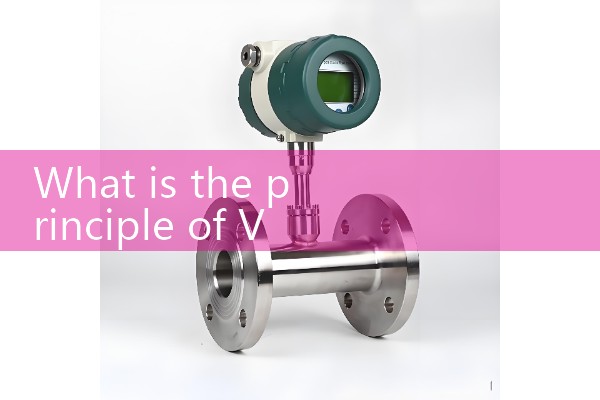
4. Different Applicable Scenarios: Vortex flowmeters are suitable for situations where throttling devices need to be installed, such as in industries such as water and gas.
. Advantages: The front structure is simple and suitable for measuring clean gases or liquids. Electromagnetic flow meter: suitable for applications that require high flow accuracy, small pipelines, or flow control, such as liquid mixing, water treatment, chemical industry, and other industries. Advantages: It can measure corrosive or high viscosity conductive liquids and support bidirectional flow measurement.Fifth, price difference. Electromagnetic flowmeter: Due to high accuracy, strong stability, and wide applicability, the price is relatively high.
. Vortex flowmeter: has a narrow range of applications, but is relatively low in price, with obvious cost-effectiveness advantages. Summary: Vortex flowmeters are suitable for measuring clean gases or liquids, with low cost but limited accuracy; Electromagnetic flow meters are specialized for conductive liquids, with high accuracy but expensive prices. The two can complement each other and cover most industrial measurement needs.2. How to choose a flowmeter
Choosing a suitable flowmeter requires considering multiple factors to ensure its accuracy, reliability, and economy.
. Here are some specific selection steps and considerations:1. Clarify the fluid type required for application: Firstly, it is necessary to determine whether the fluid to be measured is gas, liquid, or vapor, as different types of fluids may require different types of flow meters. Flow range: Clearly define the minimum and
 Hot Blog
 Related AD