

 Current position > Product detail
『Biodiesel Flow Meter DN80 Wash Water Stripping Pipeline Layouts』Related information(clamp on meter|electromagnetic meter|venturi meterrotameter|orifice meter|ultrasonic flow meter|mass flow meter|coriolis mass flow meter|coriolis flow meter|magnetic flow meter|magmeter flow meter|magflow flow meter|mag meter flow meter|electromagnetic flow meter|vortex flow meter|turbine flow meter|thermal mass flow meter|thermal flow meter|rotameter flow meter)
Biodiesel Flow Meter DN80 Wash Water Stripping Pipeline Layouts
Quick Answer
For a DN80 wash water stripping pipeline in biodiesel production, choose an electromagnetic flowmeter if the water conductivity is above 20 µS/cm and no heavy oil phase is present. When the stream contains methanol, trace oil, or two-phase flow, a Coriolis mass flowmeter gives better mass balance data. Install the meter in a vertical pipe with upward flow to keep the line full, and ensure minimum straight runs of 5DN upstream and 3DN downstream. Silver Instruments supplies both EMF and Coriolis meters with DN80 ANSI or DIN flanges for this specific layout.
Biodiesel wash water stripping removes methanol, glycerol, and catalyst from crude methyl ester. Many small to medium plants in Southeast Asia, Latin America, and the Middle East use DN80 (3 inch) carbon steel or stainless steel piping for the stripping column recirculation line. We see DN80 regularly in plants processing 50 to 200 tonnes per day of feedstock. The flow meter on this line helps plant operators control the water-to-oil ratio and monitor the stripping process mass balance.
Here is the thing. Most engineers skip the wash water flow measurement during initial design and then add a meter later when methanol recovery does not match the expected values. We have seen this on customer sites many times. A reliable meter pays for itself quickly by reducing methanol loss and improving glycerol separation.
Why DN80 Wash Water Metering Matters
The wash water flow in a countercurrent stripping column usually sits between 5 m3/h and 20 m3/h for a medium-scale plant. DN80 pipe handles this range with a fluid velocity of 0.3 m/s to 3 m/s. Too low velocity fails to create a turbulent profile for some meter types. Too high velocity accelerates electrode wear or causes cavitation in restrictive elements. Operators need a stable signal and low pressure drop. A full-bore electromagnetic flowmeter or a straight-tube Coriolis meter meets both needs.
In practice, water from the stripping bottom carries small amounts of methanol (1 to 5 percent) and traces of soap or free fatty acids. The fluid temperature typically ranges from 50 °C to 90 °C. Pressure usually stays below 6 bar. These conditions are not aggressive, but the meter liner and electrode material still matter. We recommend PTFE or PFA liner for electromagnetic meters and 316L or Hastelloy C electrodes. For Coriolis meters, 316L wetted parts work well.
Best Flow Meter Types for DN80 Wash Water Stripping
We compare three types that fit this application, based on feedback from our clients in Indonesia, Thailand, Colombia, and Nigeria.
Full-bore electromagnetic flowmeter (magmeter). This is the most common choice when the wash water has sufficient conductivity, typically above 20 µS/cm. Most wash water samples we have tested show 100 µS/cm to 500 µS/cm because of dissolved salts and catalyst residues, so a magmeter works fine. A DN80 magmeter has no moving parts and zero additional pressure drop. Silver Instruments SEM series DN80 with PTFE liner and 4-20 mA HART output costs less than half of a Coriolis meter. It also meets IP67 requirements for washdown areas.
One catch: if the wash water entrains air bubbles from the stripping column, the magmeter signal will spike because air is non-conductive. This is where the pipeline layout matters. We discuss that below.
Coriolis mass flowmeter. If the wash water contains frequent gas slugs, oil droplets above 2 percent, or the plant needs direct mass flow and density output for mass balance, a Coriolis meter is the better tool. Our SCM series DN80 Coriolis meter measures mass flow (kg/h), density (kg/m3), and temperature simultaneously. A biodiesel plant in Vietnam recently replaced a magmeter with a Coriolis meter on their stripping loop because they saw density shifts when methanol content varied. The Coriolis meter now gives them real-time methanol concentration estimation when paired with a density reference. It also handles two-phase flow better than a magmeter, although severe slugging still requires upstream gas removal.
Vortex flowmeter. Some engineers consider vortex because it handles higher temperatures and has no wetted electrodes. But vortex meters need a minimum Reynolds number and a steady flow profile. In wash water with viscosity changes from glycerol traces, the meter range turndown suffers. We do not recommend vortex for this service unless the plant guarantees a clean, single-phase water stream without methanol content.
DN80 Pipeline Layout and Installation Rules
The stripping column wash water line often follows a layout like this: wash water tank, pump, recirculation to the stripping column top, with the flow meter installed on the pump discharge. Here are the rules our field service engineers always stress.
Keep the pipe full at all times. For any meter to read correctly, the pipe must be full of liquid. Install the meter in a vertical pipe with upward flow. If the layout forces a horizontal run, p
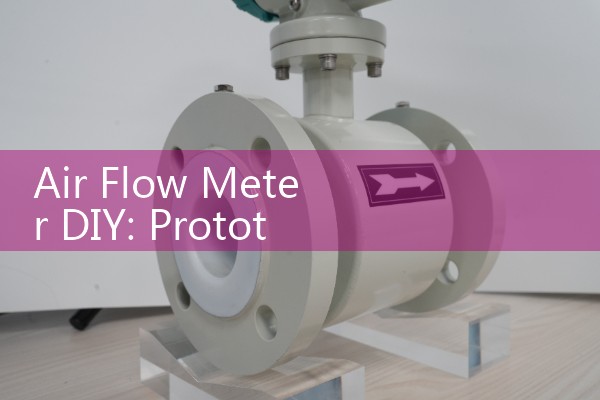
Provide the right straight pipe lengths. For DN80, electromagnetic meters need minimum 5D upstream and 3D downstream from any elbow or valve. Coriolis meters are less sensitive to profile distortion, but still require about 2D to 3D straight inlet to reduce swirl. When you have a pump directly upstream, add a straightening vane or increase upstream length to 10D for magmeters. Do not install the meter right after a partially closed control valve.
Avoid entrained gas. In stripping lines, gas can come from incomplete condensation of methanol vapor. If you see fluctuating readings on your magmeter display, suspect gas. Install an air release valve or a small vessel upstream of the meter. Some plants add a short vertical spool piece to let bubbles rise away from the measuring electrode plane. For Coriolis meters, gas will cause density errors and drive over-reading, but the meter can often still give an averaged reading if gas fraction stays below 5 percent by volume.
Silver Instruments Recommended Models for DN80 Wash Water Stripping
We offer two tested models that fit DN80 stripping layouts.
SEM electromagnetic flowmeter, DN80 PN16. Liner PTFE, electrodes Hastelloy C, titanium option for low-conductivity borderline cases. Output: 4-20 mA HART, pulse, RS485 Modbus. Accuracy ±0.5% of reading. Medium temperature: -25 °C to 120 °C. Protection class IP67. Suitable for wash water with conductivity above 15 µS/cm. Price range: contact us with your parameters.
SCM Coriolis mass flowmeter, DN80. Wetted parts 316L, secondary containment rated for 40 bar. Measures mass flow up to 80,000 kg/h, density ±0.002 g/cm3. Integrated PT100 temperature sensor. Compact design fits into existing skids. Communications: 4-20 mA, HART, Modbus. Used by a biodiesel plant in Malaysia to measure wash water and methanol mixture density for process optimization. We have seen stable readings at 5 percent gas entrainment.
Send us your water flow rate (m3/h or kg/h), process temperature (°C), pressure (bar), conductivity (µS/cm) if known, and pipe schedule (DN80, 304 SS or carbon steel). We will propose the right meter model, liner, and flange standard (ANSI 150 or DIN PN16) and provide a price quotation within one business day.
Real Application Notes
A 100 TPD biodiesel producer in the Philippines contacted us about erratic readings on their existing DN80 turbine meter in the wash water stripping line. The turbine bearings accumulated soap deposits, causing under-reading and frequent cleaning. We replaced the turbine with an SEM electromagnetic flowmeter, DN80, PTFE liner. After two years, the meter still reads within 0.3 percent deviation during annual verification using a clamp-on ultrasonic meter. The plant manager noted that they recovered methanol usage by 4 percent after getting accurate water flow data because they could optimize the water-to-feed ratio.
In another case, a Brazilian biodiesel plant running on beef tallow asked for a meter that could handle dirty wash water with high soap content and occasional fat carryover. We supplied an SCM Coriolis meter with 316L tubes. The meter signal remained stable even when the wash water appearance varied from clear to milky. Their process engineer uses the density reading to estimate soap concentration, helping them adjust wash temperature.
Frequently Asked Questions
Can I use a cheap mechanical flowmeter for wash water? Mechanical meters like turbine or oval gear will foul quickly with soap and glycerol deposits. The maintenance cost outweighs the saving. Stick to a full-bore magmeter with no moving parts.
What if my wash water conductivity is too low for a magmeter? In rare cases, demineralized wash water can have conductivity below 5 µS/cm. Then a Coriolis meter is the direct alternative. Silver Instruments also provides a capacitive electromagnetic flowmeter for very low conductivity, but for DN80 and high confidence, Coriolis is the proven choice.
Do I need ATEX or IECEx certification for a biodiesel wash water line? Typically the stripping area is not classified as Zone 1 because methanol vapors are handled in a closed system with local ventilation. However, always check your plant hazardous area drawing. We offer ATEX Zone 2 approved versions of our SEM and SCM meters with appropriate cable glands.
How do I avoid measurement errors when methanol content changes? A Coriolis meter compensates by measuring density. If you use a magmeter, calibrate with the actual fluid conductivity and temperature, and accept a slight volumetric error due to density change. For mass balance, Coriolis is superior.
What flange standard is common for DN8『SILVER Official Website SERVICE』