

 Current position > Product detail
『Air Flow Meter Argon: TIG & MIG Welding Gas Consumption』Related information(clamp on meter|electromagnetic meter|venturi meterrotameter|orifice meter|ultrasonic flow meter|mass flow meter|coriolis mass flow meter|coriolis flow meter|magnetic flow meter|magmeter flow meter|magflow flow meter|mag meter flow meter|electromagnetic flow meter|vortex flow meter|turbine flow meter|thermal mass flow meter|thermal flow meter|rotameter flow meter)
Air Flow Meter for Argon in TIG and MIG Welding Gas Consumption
Quick Answer
For argon shielding gas measurement in TIG and MIG welding, a thermal mass flow meter gives you direct mass flow readings without needing extra temperature or pressure compensation. Silver Automation Instruments supplies inline flow meters for DN8 to DN50 pipes with a 4‑20 mA HART output that your welding machine PLC can read right away. This setup helps workshops track real gas costs and cuts annual argon waste by up to 30 %.
Why Accurate Argon Flow Matters in Welding
Argon is a major cost item in any fabrication shop. A single TIG station typically runs at 10 to 20 litres per minute, while a MIG torch on stainless steel may consume 15 to 25 L/min. Without a meter, you only know what is in the cylinder, not what is actually going into the weld. In practice, most engineers skip this part and rely on a pressure regulator with a simple plastic tube float. We have seen this on customer sites many times. But a float indicator does not measure mass flow, and its reading drifts when the cylinder pressure drops or when the gas warms up in the hose. A small error of 2 L/min on a twin‑shift operation in Australia can easily add AUD 1,200 to your annual gas bill. Last year a stainless steel fabricator in Vietnam connected our SI‑TMF‑D meter on a 6‑pack argon manifold. They found three leaking solenoid valves within one week and cut shielding gas consumption by 27 % in the first month.
Thermal Mass Flow Meter for Argon — No Compensation Headaches
A thermal mass flow meter works by measuring the heat loss between two PT100 sensors in the gas stream. Because it directly senses the molecules hitting the sensor, it reads mass flow in kg/h or standard litres per minute (L/min). You do not need to compensate for temperature changes from 5 °C to 45 °C or for pressure fluctuations between 3 bar and 10 bar. Here is the thing: on a busy fabrication floor the argon line pressure can drop when two welders pull gas at the same time. A vortex meter would need a pressure sensor and a flow computer to correct the reading. A thermal meter just gives you the live mass flow number. Silver Instruments builds these meters with a 24 V DC supply, a 4‑20 mA HART output, and an optional RS485 Modbus interface. Accuracy is ±1.5 % of reading above 30 % of the calibrated span. The wetted parts use 316L stainless steel and the sensor is sealed against moisture, so you can install it just after the argon regulator.
Typical Pipe Sizes and Installation Tips
Most TIG and MIG gas lines use 6 mm or 8 mm OD tubing, which corresponds to DN8 or DN10. However, an inline flow meter body usually starts at DN15 to keep the pressure loss low. Silver Instruments offers the meter with 1/4 inch NPT or 10 mm compression fittings, so you can adapt it directly to your existing polyurethane or nylon tube. Keep a straight run of 10 pipe diameters upstream and 5 diameters downstream. Welders do not always leave that space, but even 8D upstream makes a visible difference in reading stability. If the gas line contains oil mist from a screw compressor, add a coalescing filter before the meter. We have shipped hundreds of these meters to Southeast Asia and the Middle East, and the most common feedback is about installation angle. Mount the sensor horizontally with the electronics head upright to avoid condensation on the sensing element.
Silver Instruments Flow Meter Models for Wel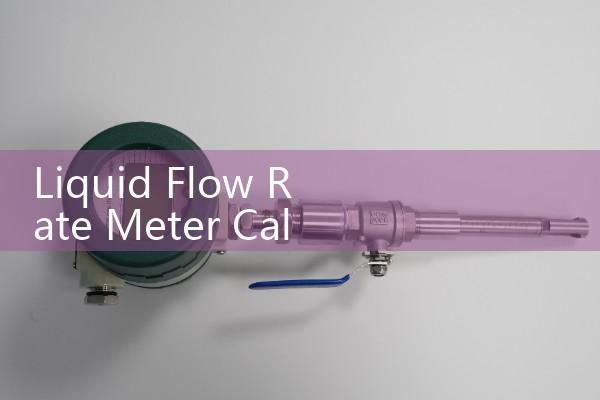
We prepare two standard versions for argon and helium mixes. The SI‑TMF‑J is a blind body meter without a display. It outputs the flow as a 4‑20 mA signal and draws less than 1 watt of power, which is convenient if you feed the signal into a robot controller or a welding power source with an analog input. The SI‑TMF‑D adds a backlit LCD that shows instant flow rate, total consumption, and gas temperature. It also stores the last 12 months of totalised consumption data, which helps a workshop manager compare gas usage per shift. Both models handle flow ranges from 0.5 to 50 L/min for argon. The standard body rating is 16 bar at 25 °C, and we can offer an ATEX Zone 2 intrinsically safe version if the meter sits close to a cutting torch or in a paint booth with flammable vapours. Designation on the tag follows your pipe OD and flow span, for example SI‑TMF‑D‑DN15‑Ar‑25L.
How to Order and What Information We Need
To get a matching flow meter quote, send us your gas type, operating pressure in bar, gas temperature in °C, pipe outside diameter and wall thickness, and the minimum and maximum flow rates in L/min or Nm³/h. We will check the velocity, pressure drop, and recommend the correct DN size and fitting type. You can reach the Silver Automation Instruments team directly by email at [email protected]. For fast technical questions, call +86-25-68650347 or message on WhatsApp at +86-25-52155837. We also assist on WeChat: +86 15365082610. Most quotes are returned within four working hours during our Asia time zone. If you already have a signal specification like 4‑20 mA into a Siemens PLC, mention it in the request.
Frequently Asked Questions
What is the best flow meter for argon in TIG welding? A thermal mass flow meter is the most practical choice because it measures gas mass directly and does not require a separate temperature or pressure transmitter. It fits small DN15 lines and outputs a linear 4‑20 mA signal.
Can I use a glass tube rotameter instead of a digital meter? A rotameter gives you a quick visual check, but its accuracy is only ±5 % of full scale and it is sensitive to inlet pressure. Most shops start with a rotameter and switch to a digital meter once they need to log consumption or control gas flow automatically.
Do I need temperature and pressure compensation for argon measurement? Not when you use a thermal mass meter. The sensor responds directly to the molecule count, so a 12 L/min reading at 5 bar and 15 °C stays correct even if the line heats up to 35 °C or pressure drops to 3 bar.
What output signals do your argon flow meters offer? Every meter provides 4‑20 mA HART as standard. You can add RS485 Modbus RTU or a pulse output for totalising. The 4‑20 mA loop can drive a panel display or an analog input card on a welder control system.
How quickly does Silver Instruments ship to Australia or Southeast Asia? Standard inline argon flow meters from DN15 to DN25 are usually in stock and dispatched within three working days. Delivery by air freight to Sydney, Singapore, or Kuala Lumpur takes five to seven calendar days, including customs clearance documentation.
All specifications reflect typical applications. For hazardous area installations or multi‑gas blending stations, ask our application engineers to review the P&ID. We support the flow‑meter.com.au customer base directly from our Nanjing facility.